

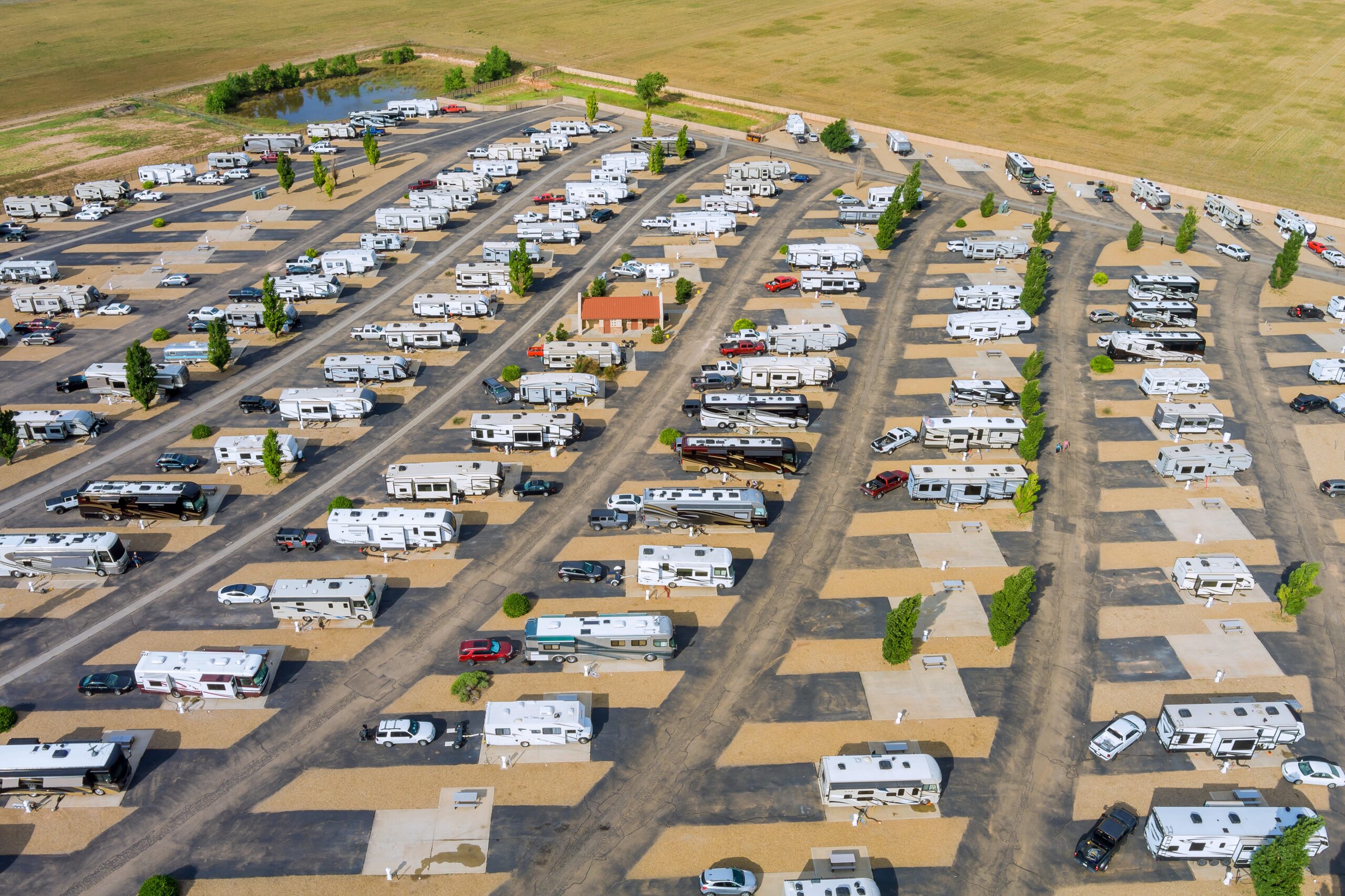
For Current RV Park Owners & Investors Looking to Buy Their First Park
By RV Park Advisors
Introduction: Most RV Parks Are Sitting on Untapped Value
Across the U.S., many RV parks are underperforming — not because travelers aren’t coming, but because the parks haven’t been upgraded to today’s expectations. Aging infrastructure, outdated utilities, failing dump stations, rough roadways, old cabins, and lack of high-speed WiFi all limit revenue potential.
At the same time, investors entering the RV park space ask the same question:
“How do I finance improvements to increase revenue, occupancy, and property value?”
This guide will show RV park owners and buyers how to access financing, understand lender requirements, choose high-ROI improvements, and structure renovation capital inside acquisition deals.
Whether you currently own a park or are buying your first one, this is the most complete financing roadmap for 2025.
1. Why Financing Improvements Matters More Than Ever
Guest expectations are rising
The RV traveler of 2025 expects:
- Reliable electrical pedestals
- Clean, modern bathhouses
- Smooth roads and level sites
- High-speed WiFi
- Attractive amenities (pickleball, docks, trails, kayaks)
- Clear branding and signage
Neglect these, and occupancy falls fast — especially during peak seasons when guests compare dozens of parks online.
Improvements dramatically increase property value
RV parks are valued using cap-rate math, which means every dollar added to NOI multiplies property value.
Example:
+$80,000 annual NOI increase → at a 10-cap = +$800,000 property value
This is why smart owners use financing to fund improvements rather than waiting years to build cash reserves.
Deferred maintenance costs explode over time
Utility problems, sewer backups, and deteriorating roads get exponentially more expensive each year. Financing improvements early prevents emergency repairs later.
2. What Lenders Want to See (Owners & Buyers)
Whether you’re improving a park you own or financing renovations at acquisition, lenders generally require:
✔ Clean financial documentation
- P&Ls
- Tax returns
- Occupancy trends
- Seasonal booking patterns
- Breakdown of RV, tent, cabin, and long-term revenue
✔ A realistic DSCR (Debt Service Coverage Ratio)
Most banks want 1.20–1.35 DSCR, even after improvements.
✔ A detailed improvement plan
This includes:
- Contractor quotes
- Amenity upgrades
- Revenue forecasts
- Timeline for construction
- Expected NOI increase
The better your plan, the easier the approval.
✔ Operational experience or a professional partner
If you’re new to RV parks, having RV Park Advisors involved dramatically boosts lender confidence.
3. The Best Ways to Finance RV Park Improvements (2025 Overview)
Below are the top financing methods for RV park renovations, expansions, and infrastructure upgrades.
A. SBA 7(a) Loan — Best All-Around Option for Most Parks
The SBA 7(a) program is perfect for:
- Renovations
- Infrastructure improvements
- Working capital
- Refinancing
- Purchasing a park + funding upgrades simultaneously
Loan amounts: Up to $5 million
Down payment: As low as 10–15%
Owners love SBA 7(a) because you can roll improvements directly into the loan package.
B. SBA 504 Loan — Best for Large Infrastructure Projects
Use 504 for big-ticket improvements:
- Sewer/septic upgrades
- Pedestals and electrical rewiring
- Road reconstruction
- New bathhouses
- Adding dozens of sites
- Major amenity builds (pools, docks, etc.)
Loan amounts: $10M+
Down payment: Typically 10–20%
C. Conventional Commercial Loans (Local Banks)
Local and regional banks often understand RV park markets better and lend on:
- Strong P&Ls
- Clear improvement strategies
- Value-add business plans
Typical terms:
- 20–25 year amortization
- 5–10 year balloons
- Competitive rates
D. Seller-Financed Improvement Funding (Extremely Underrated)
This is especially powerful for distressed parks.
Seller improvement financing can look like:
- Seller carries the improvement budget
- Seller-funded capex loan at low interest
- Improvement credits at closing
- Earn-outs tied to NOI improvement
- Renovation escrows
This is how buyers acquire parks without draining cash.
E. Private Investors / LP Partners
Investors are increasingly funding:
- Cabins
- Tiny homes
- Sewer expansions
- Roads
- New docks
- Amenity upgrades
Typical private capital structures:
- 7–10% preferred return
- 10–40% equity
- 3–7 year investment horizon
RV parks are attractive because improvements can double NOI.
F. Equipment Loans for Small Upgrades
Use equipment financing for:
- Mowers
- Golf carts
- Laundry machines
- Water heaters
- Playground equipment
This keeps cash available for major repairs.
4. High-ROI Improvements (Ranked)
These upgrades have the biggest impact on occupancy, ADR, and property value.
1. Electrical Pedestal & Utility Upgrades
Nothing affects reviews more than reliable utilities.
2. Adding Cabins or Cottages
Cabins typically generate:
- $120–$250 per night
- 40–60% occupancy
- $20K–$35K NOI per year each
At a 10-cap, 4 cabins = $800K–$1.4M value increase.
3. Road Improvements
Smooth roads create repeat customers.
4. Bathhouse Renovation
One of the top indicators of park quality.
5. WiFi Infrastructure
Huge driver of long-term stays and remote workers.
6. Amenities That Sell
- Pickleball
- Docks
- Boat rentals
- Kayaks & paddleboards
- Dog parks
- Fishing piers
5. Example: Improvement ROI Breakdown
Let’s say you invest:
$200,000 into improvements
→ leads to
+$80,000 in NOI
At a 10-cap:
$80,000 ÷ .10 = $800,000 increase in property value
That’s a 4X return on renovation capital — this is why lenders are eager to finance improvements.
6. For Buyers: How to Finance Improvements When Purchasing a Park
If you’re buying a park, these are the smartest financing strategies:
✔ Roll renovation money into the acquisition loan
The most common method.
✔ Ask the seller to fund improvements
Especially if the park has:
- Failing utilities
- ADA issues
- Outdated systems
- Old branding
- Low occupancy
✔ Use SBA 7(a) for working capital
Great for turnarounds.
✔ Negotiate seller credits
Based on deferred maintenance.
✔ Use a bridge loan and refinance after improvements
Ideal for heavy value-add deals.
7. When You Should Not Finance Improvements
Here’s the honest part (and why owners trust advisors):
You should avoid taking on improvement debt if:
- The park is below 20% occupancy with no demand proof
- Seasonal losses are significant
- Zoning or permitting issues aren’t resolved
- Improvements don’t match local demand
- DSCR will drop below lender minimums
Good deals can handle financing. Bad deals can’t.
8. How RV Park Advisors Helps Owners & Buyers
RV Park Advisors provides full lifecycle support for:
Financing & Capital
- Lender introductions
- SBA package preparation
- Private investor structuring
- Seller-financing negotiation
Underwriting & Modeling
- Full pro formas
- Acquisition underwriting
- Occupancy & revenue planning
- Renovation ROI projections
Park Improvement Planning
- Utility assessments
- Infrastructure strategy
- Amenity budgeting
- Cabin/tiny home expansion modeling
Operations Optimization
- Booking systems
- Automation & AI tools
- Reputation management
- Long-term stay strategy
Whether you’re upgrading your existing park or acquiring your first one, RV Park Advisors helps you maximize value, reduce risk, and unlock new revenue opportunities.