

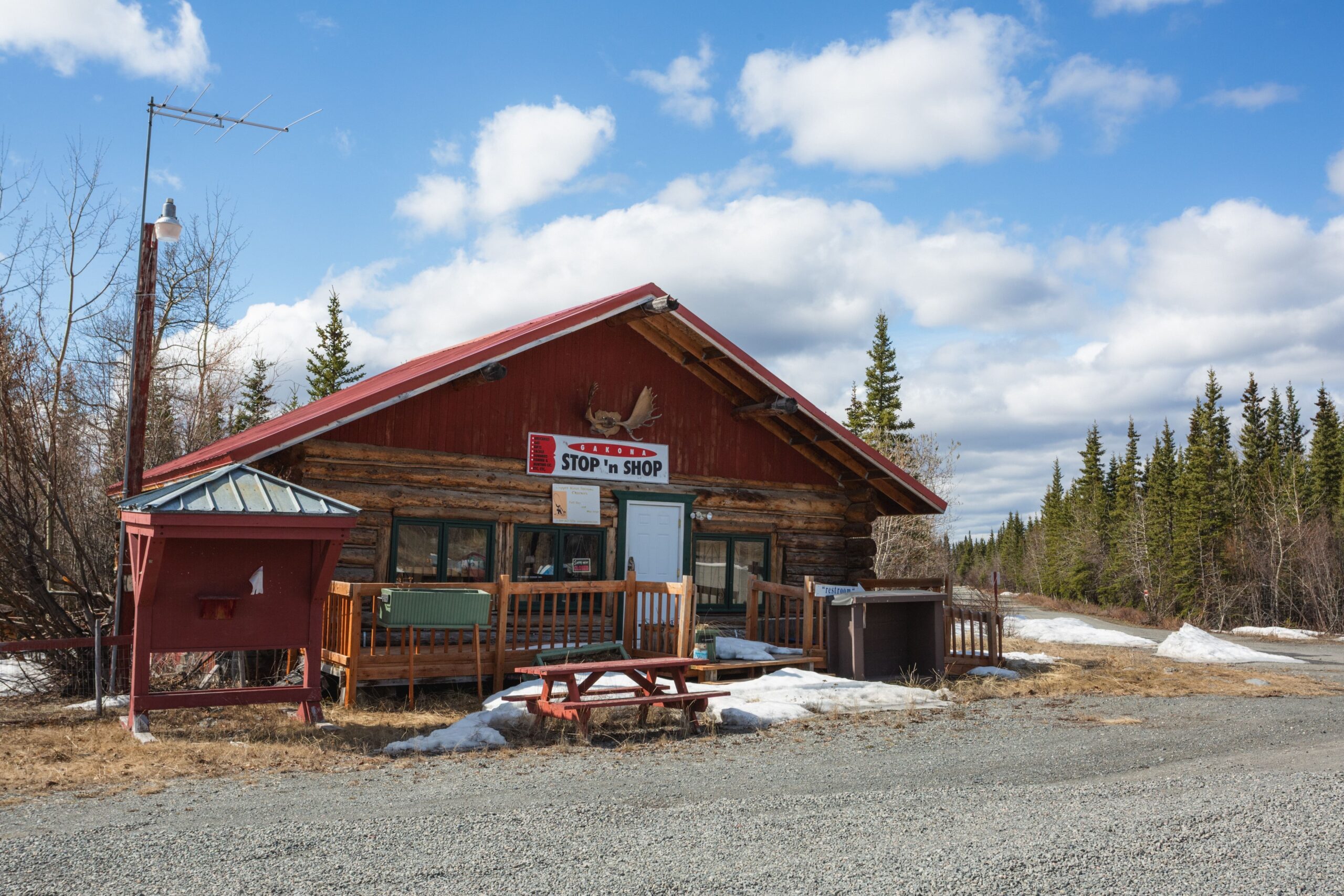
The conversation is unavoidable in every RV park owner forum: Do we need a camp store?
For decades, the camp store was the heart of the campground—a place for check-in, a quick cup of coffee, and overpriced s’mores fixings. But the world has changed. Today, the traditional, staffed camp store is increasingly becoming a relic of the past, often proving to be an expensive liability rather than a revenue center.
If you’re a current operator looking to boost your margins or a potential buyer evaluating a park’s P&L, it’s time to face the facts: Most camp stores are now operationally inefficient.
Here’s a deep dive into why owners are ditching the traditional camp store hours and how modern technology provides a superior, more profitable guest experience.
The Case Against the Camp Store: It’s All About Location & Labor
The prevailing wisdom used to be that you had to have a store. Our experience, and the data, suggests otherwise.
1. The Proximity Problem: Competition You Can’t Beat
Unless your park is truly remote, miles from the nearest town, you are competing directly with giants. Campers will inevitably choose local big-box stores for their essentials, and for good reason:
• Better Pricing: You cannot compete with the bulk buying power of a nearby Walmart, Target, or Dollar General.
• Superior Selection: Campers can find exactly what they need, from specialized RV parts to preferred brands of groceries.
• Availability: These stores are often open much later than a typical small camp store.
When your inventory sits on the shelf and your prices are higher, your camp store becomes a last-resort option, not a destination.
2. The Operational Drain: Staffing and Shrinkage
The largest costs associated with a camp store are labor and inventory management.
• Labor Overhead: Staffing a small store requires an employee (or employees) whose hourly wage often far outstrips the store’s gross profit. This is especially true during off-peak hours when sales are minimal.
• Inventory Costs: You need capital to buy inventory, space to store it, time to track it, and energy to liquidate items that don’t sell. Inventory shrinkage (spoilage, theft, loss) eats directly into your already thin margins.
By eliminating the staffed store, those costs—labor, utility bills for the retail space, and inventory investment—go straight into your operational savings.
The Solution: Technology and Automation as the New “Welcome Center”
The goal is not to abandon your guests but to serve them more efficiently and conveniently than a physical store ever could. Automation isn’t about being less helpful; it’s about being available 24/7 and offering a streamlined experience.
Here is how successful parks are implementing technology to replace the functions of a traditional camp store and front desk:
1. Automated Check-In and Support
The most critical function of the old camp store was check-in. This is now fully manageable through technology:
2. Re-Imagining “Retail” and Essentials
Campers still need certain essentials (ice, firewood, propane, basic RV parts). Instead of staffing a full retail space, focus on high-margin, automated convenience:
• High-Tech Vending Machines: Install secured, modern vending machines outside the office or near a common area. Stock them with genuine, high-demand emergency items: propane fittings, hose repairs, bug spray, batteries, small first-aid kits, and grab-and-go snacks/drinks. These require minimal staffing for restocking.
• Automated Ice/Firewood: Use self-service ice dispensers and honor-system firewood bundles (often secured with a digital lock or simple payment box).
• Local Delivery Integration: Partner with local grocers or utilize services like Instacart, DoorDash, or local farm-to-table delivery services. Post these options prominently on your website and at check-in. This elevates the guest experience by offering premium, local goods without any inventory cost to you.
• Pre-Order “Essentials Kits”: Offer guests the option to pre-order a “Welcome Kit” (fire starter, s’mores kit, coffee) through your online booking platform. The kit is delivered directly to their site by staff prior to arrival.
The Bottom Line: Better Margins, Happier Campers
The future of campground operation is efficient, lean, and guest-focused. By eliminating the high costs associated with a traditional camp store, you immediately improve your park’s profit margin.
More importantly, you elevate the guest experience. Campers prefer quick, self-service solutions and digital convenience over waiting in line at a small store. They want a streamlined check-in, instant access to information, and efficient service.
For new and prospective owners, removing the dependency on retail revenue streamlines your due diligence and simplifies your staffing model. For established owners, this shift frees up capital and labor to invest in what truly matters: site maintenance, amenity upgrades, and exceptional hospitality.
Ditch the register, embrace the QR code, and watch your margins grow.
Looking to optimize your park’s technology stack? Visit our Consulting page for resources on the best booking software, gate systems, and automation tools.